Where Rivers Bend - The Story Behind the Story

The idea that eventually became Where Rivers Bend began with a law journal article I read about twenty years ago.
It was thoroughly researched, persuasively argued and unequivocal in its condemnation of lawyers who have sexual relationships with their clients. In my memory, it stopped only just short of calling for the offending practitioner to be defrocked, hanged, drawn and quartered.
I agreed with the research. I agreed with the principle. The obligations that accompany professional trust matter, particularly when someone has sought help at a vulnerable moment in their life. Those obligations cannot simply be set aside because feelings have entered the room.
And yet, after I put the article down, my thoughts kept wandering beyond its argument.
I began thinking about love. About the untidiness of it. About the distance between the lives we intend to lead and the lives we actually find ourselves living. We make rules, draw boundaries and establish expectations, often for very good reasons. Then two people meet, and something happens that neither has planned.
That does not make the rules irrelevant. It makes the human story complicated.
What stayed with me was the distinction between falling in love and deciding what to do about it. We are responsible for our choices, including the choices we make because we love someone. But love itself rarely arrives in an orderly fashion. It does not wait for every existing commitment to be resolved, every competing duty to be considered, or every circumstance to become convenient. There is no prescribed sequence, no universally right or wrong way for the feeling to begin.
Some years later, those thoughts began to take the shape of a story. Eventually, they became Michael and Eliza.
As they grew in my imagination, the places they inhabited became inseparable from who they were. The physical world of Where Rivers Bend is important to me because I believe our surroundings help shape our emotional lives. A place can give us room to think, make us feel exposed, return us to an earlier version of ourselves, or allow us to imagine a different future.
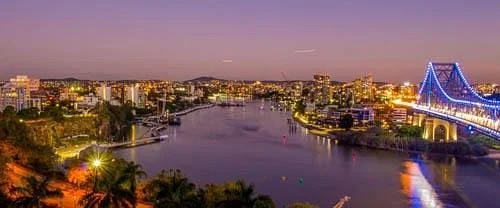
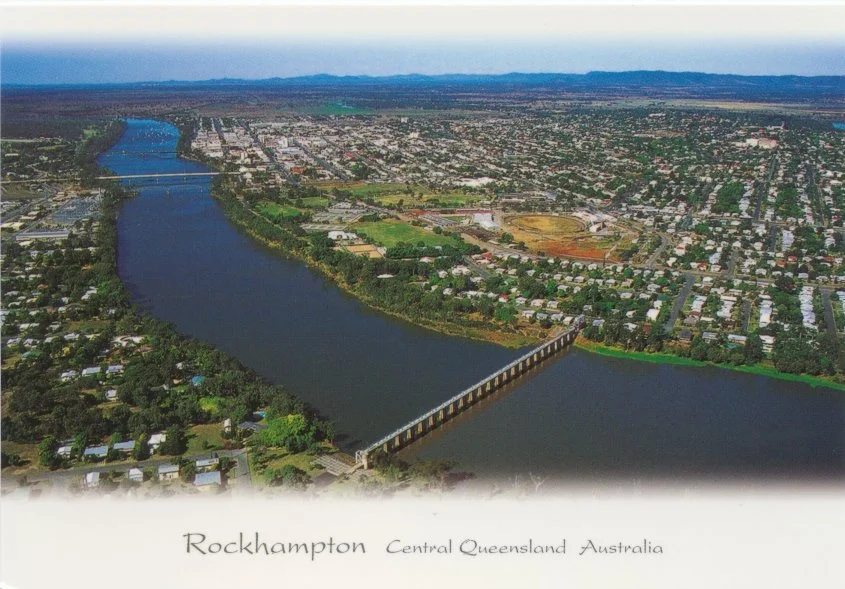
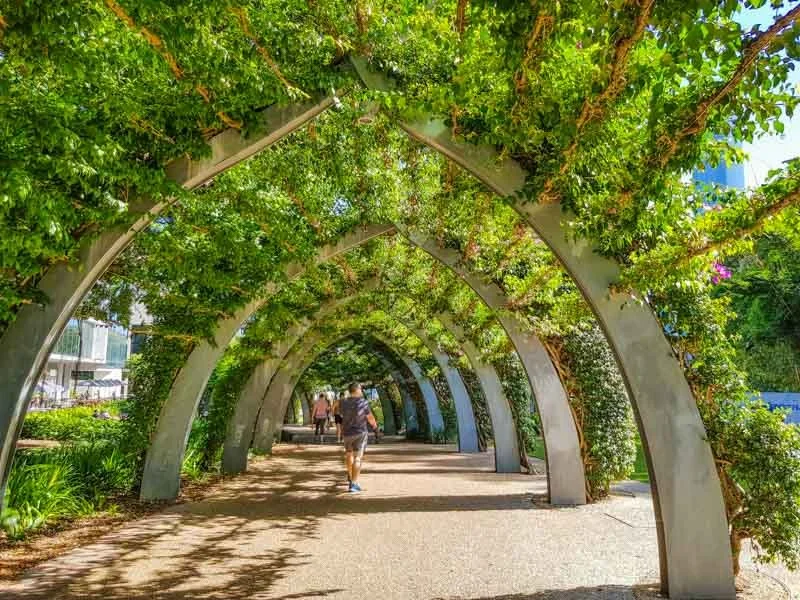
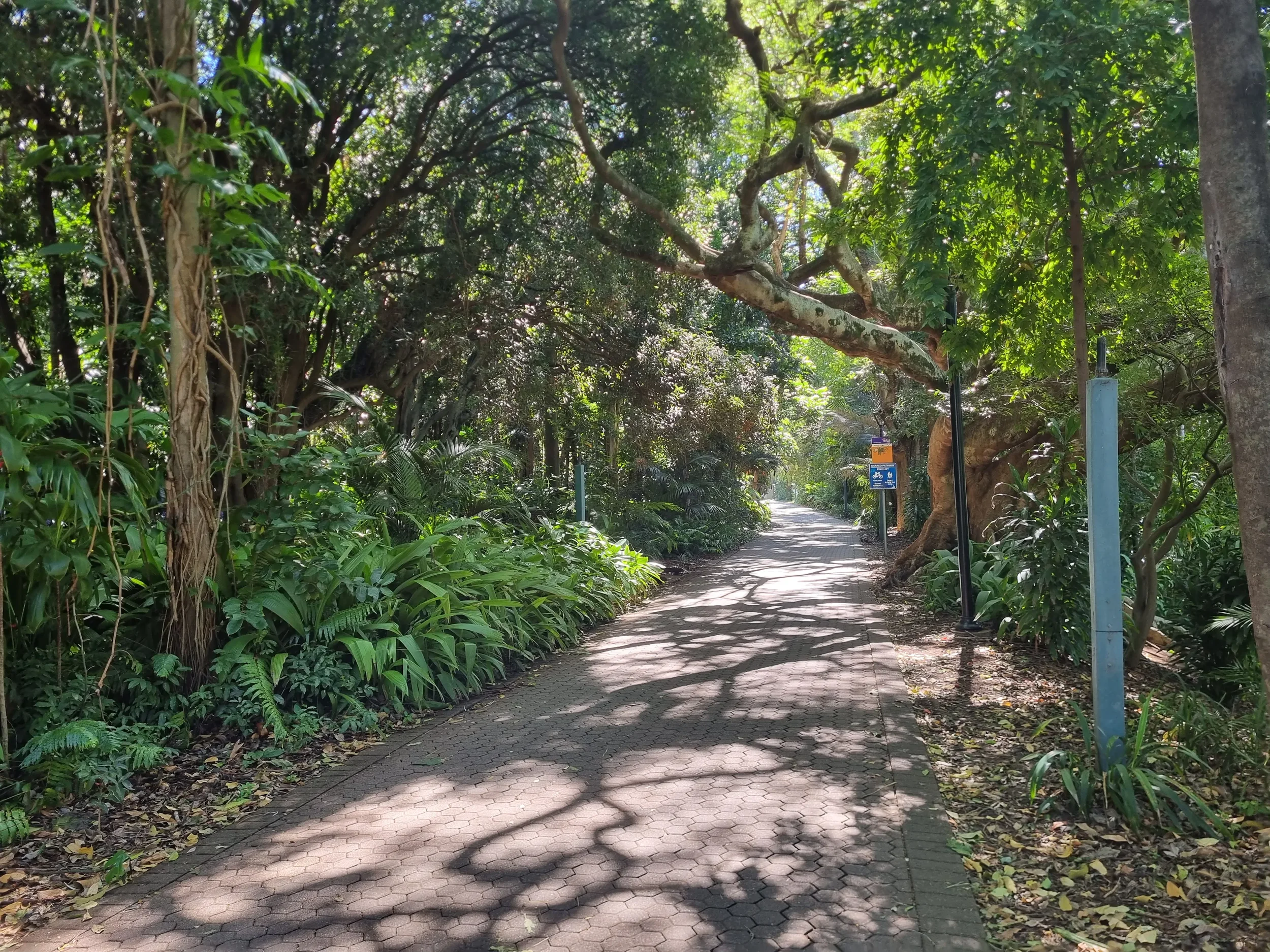
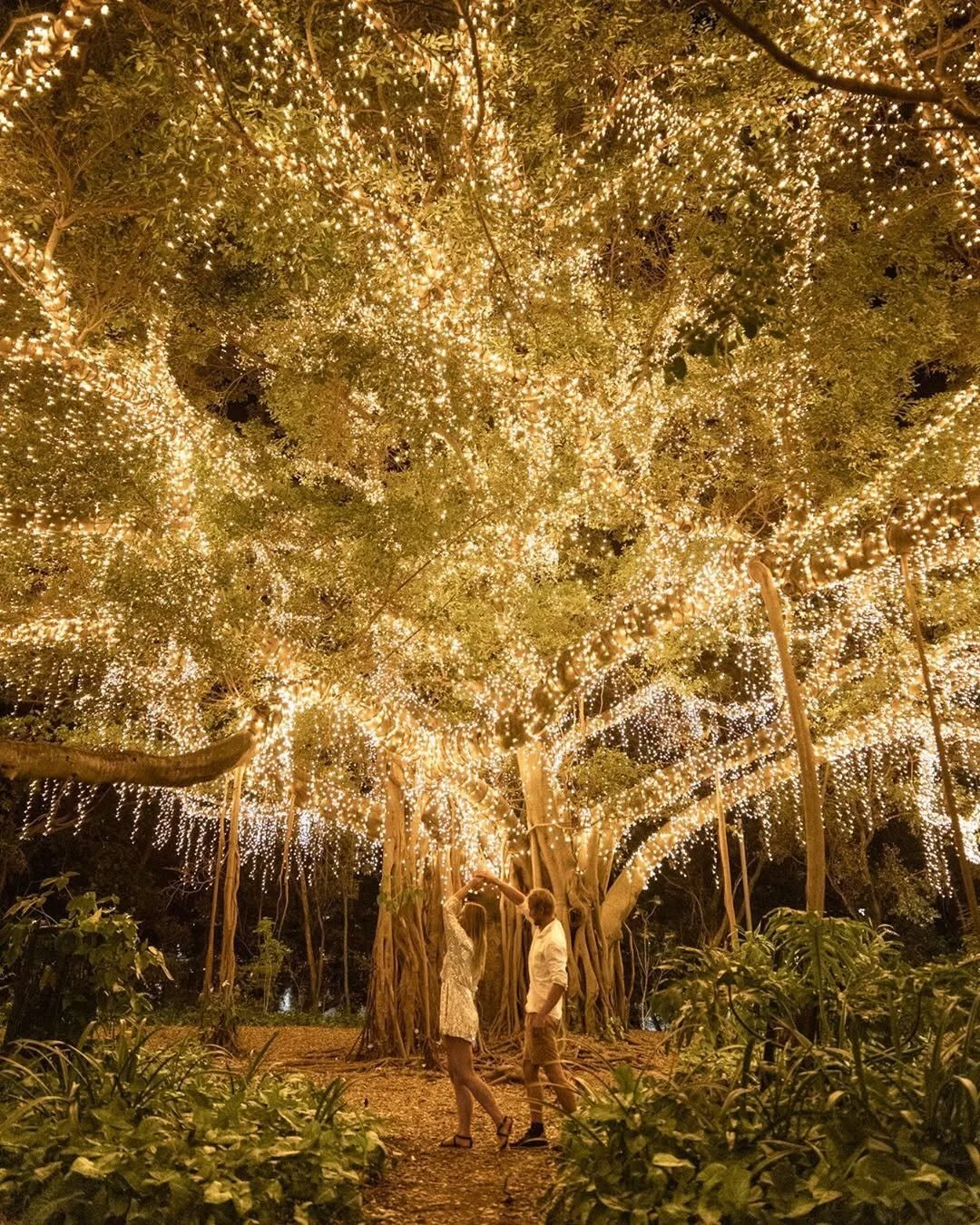
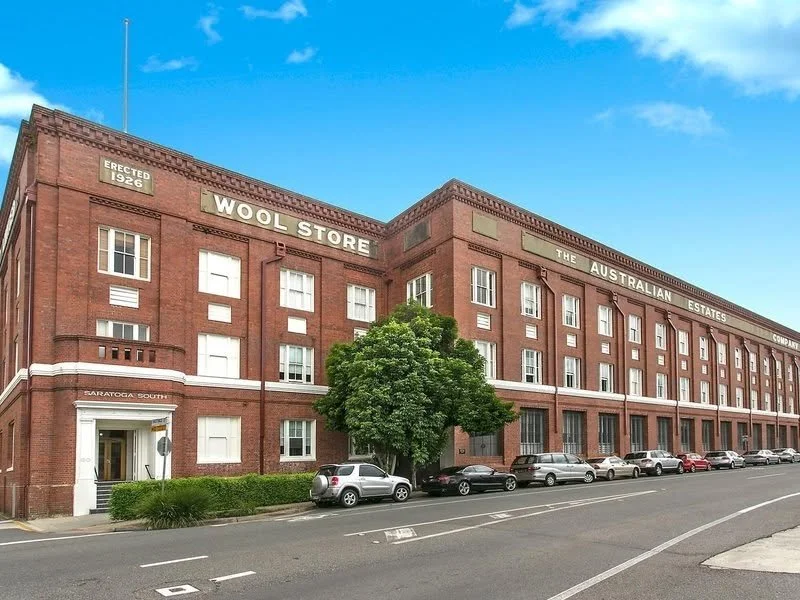
From the rock in the opening chapter to the Southbank arboretum and the Brisbane Botanic Gardens, I wanted the landscape to have a presence in the story. The woolstores, the bridges, the Brisbane and Fitzroy rivers: each forms part of the architecture of Michael and Eliza’s lives. These environments shape how they encounter one another, how they understand their feelings, and what they are able or willing to say.
There is something especially compelling to me about a river. We can build beside it, cross it, and come to know its familiar reaches, but our view is always partial. What lies beyond a bend remains out of sight until we get there. That seemed a fitting landscape for two people trying to understand where their lives might lead.
Of course, Where Rivers Bend is concerned with ethics and morality. It is concerned with people and families, with family law and relocation cases, and with decisions whose consequences extend well beyond those who make them. These questions matter because the people affected by them matter. Love does not relieve anyone of responsibility towards others.
At its heart, though, this is a love story.
It is about how love can find us in the strangest circumstances, sometimes when we are least prepared to recognise it, and how difficult it can be to reconcile what we feel with what we believe we ought to do. I wanted to give those difficulties a human form: two people with histories, attachments, responsibilities and desires, whose choices invite both understanding and scrutiny.
The article that first prompted these thoughts made a persuasive argument. Fiction offered me the opportunity to stay with the uncertainty a little longer: to follow Michael and Eliza into the particular circumstances of their lives and see what happened there.
Having followed them, the final question belongs to you.
Have Michael and Eliza done the right thing?
You be the judge.