Where Rivers Bend
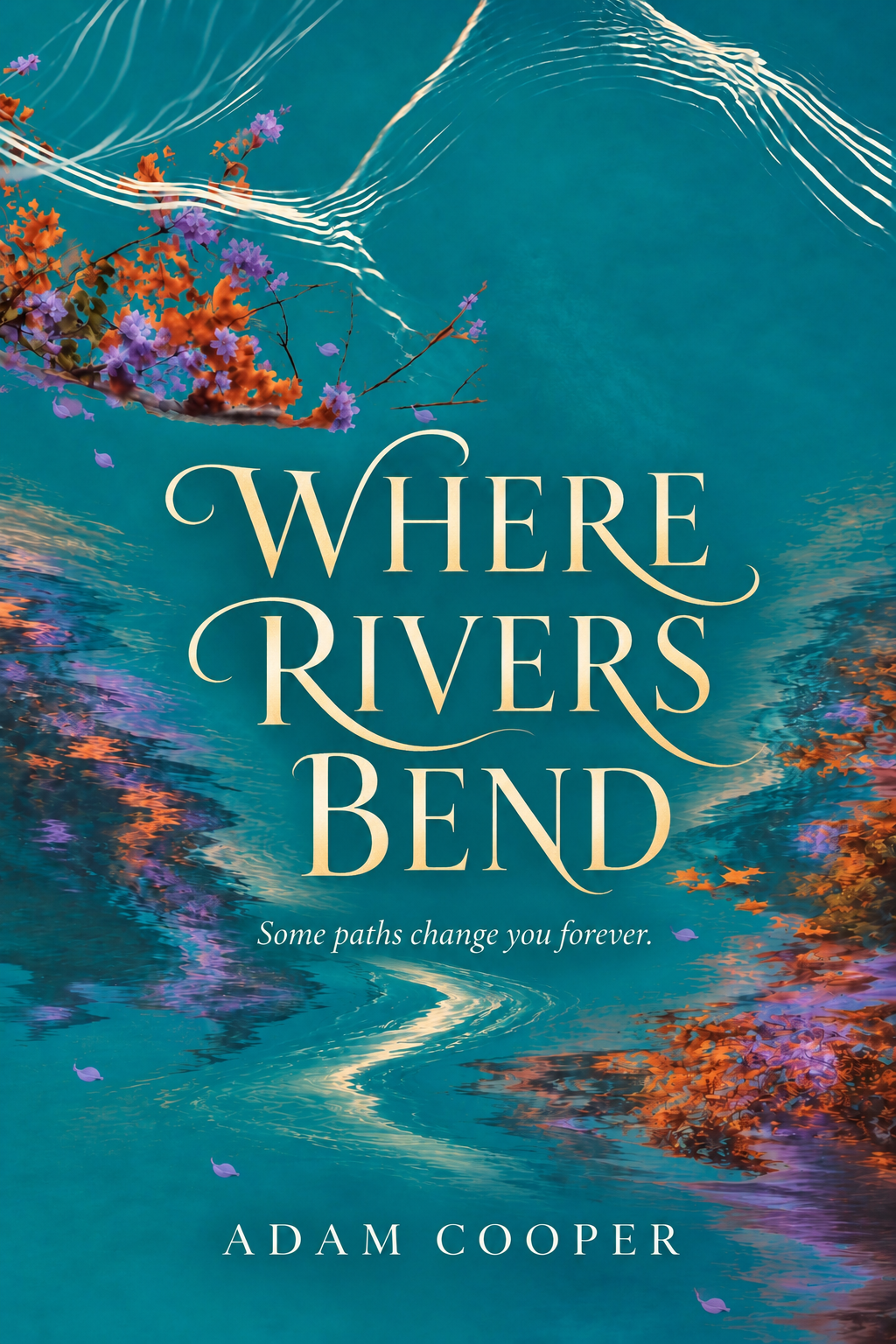
Where Rivers Bend is set between the Sunshine Coast of thirty years ago and contemporary Brisbane, moving between past and present to trace the enduring connection between Michael and Eliza.
At fifteen, Michael and Eliza meet in a small seaside town and form an intense, formative bond. Michael is cautious and inward, already inclined toward control and restraint. Eliza is instinctive, curious, and unafraid of risk. Over one summer, they create a private world defined by small rituals, emotional honesty, and the discovery of first love. Their relationship is marked not by drama but by a quiet, mutual recognition, each becoming a reference point for the other’s sense of self.
The relationship is abruptly disrupted when Eliza’s family relocates. Despite promises to maintain contact, distance and time erode their connection. Michael internalises the loss, shaping himself into someone who values steadiness over vulnerability. He builds a successful legal career and is eventually appointed as a judge of the Family Court, where he presides over the breakdown of others’ intimate relationships while keeping his own emotional life carefully contained.
Years later, Eliza re-enters Michael’s life unexpectedly as a litigant in a relocation dispute concerning her nine-year-old son. She seeks to move to Brisbane with her son for work and stability. The child’s father opposes the move. Michael, bound by the law and judicial duty, refuses the relocation on an interim basis due to insufficient evidence, prioritising the child’s immediate stability over Eliza’s proposed future. The decision is legally sound, but personally destabilising, forcing Michael to confront the gap between the law and lived experience.
Outside the courtroom, their paths begin to cross in ordinary Brisbane settings – bookshops, cafés, river walks, where their past resurfaces not as nostalgia but as an unresolved emotional reality. Eliza is now a mother balancing responsibility and autonomy.Michael remains composed, but increasingly aware that his restraint has come at a cost. Their interactions are careful, shaped by both ethical boundaries and the weight of shared history.
Fate forces Michael to be allocated Eliza’s final hearing, and both are forced to reckon what has transpired between them, and what may transpire into the future. Michael must not only decide the case according to law, but must also decide whether his identity, built on control, caution, and professional detachment, can accommodate emotional risk. Eliza must determine whether the steadiness he represents is something she can return to, or something she has already outgrown.
The legal matter moves toward resolution through evidence and process. However, the deeper question, whether two people shaped by timing, distance, and restraint, can choose each other again, remains open. Their choices are defined not by certainty, but by the possibility of change and what it costs to choose it.